
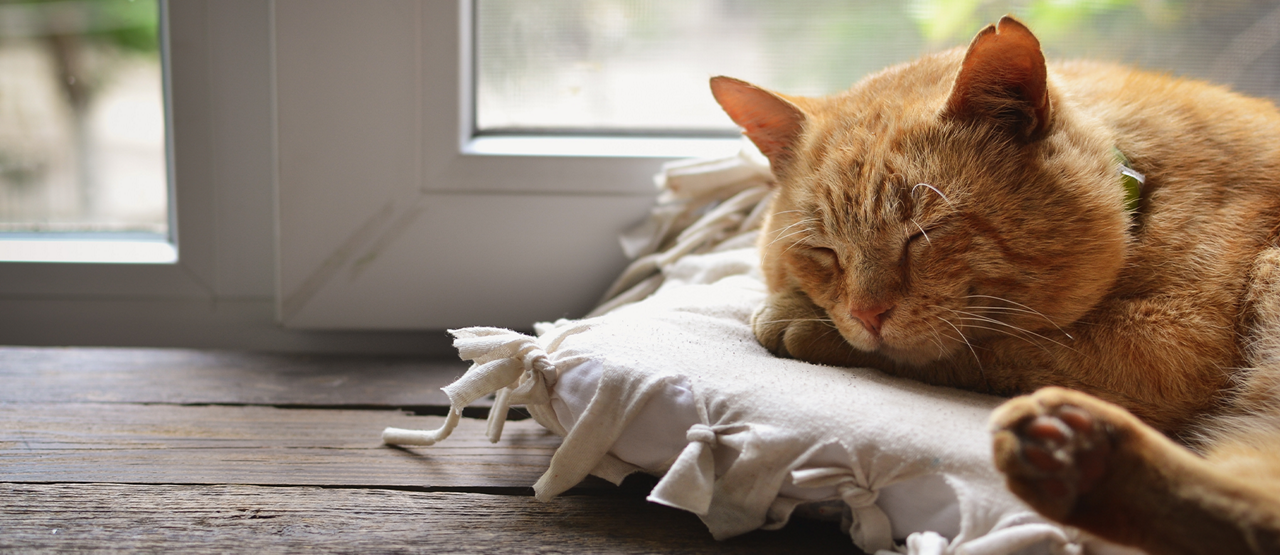
Cats are experts at hiding discomfort, which means many pet parents don’t realize their beloved feline has entered their senior years until health changes become obvious. At The Cat Clinic in Columbia, SC, we specialize exclusively in feline medicine — and we’re passionate about helping senior cats stay comfortable, healthy, and happy well into their golden years.
As cats age, their nutritional, behavioral, and medical needs evolve. Understanding when your cat becomes a “senior” and how to adjust their care can make a big difference in their long-term health.
When Is a Cat Considered a Senior?
While every cat is unique, most are considered seniors around 10 years old. However, age is just a number — what truly matters is how your cat feels and functions. Many senior cats remain active and affectionate, but internal changes like slower metabolism, reduced kidney function, or joint stiffness may already be taking place.
That’s why it’s so important to provide proactive care and routine veterinary checkups as your cat gets older.
Why Preventive Care Matters for Senior Cats
Preventive care is one of the best ways to keep your cat feeling their best. Regular wellness visits allow our veterinarians at The Cat Clinic to detect subtle health changes before they become serious. We recommend senior wellness exams every six months, as even a few months can make a big difference in catching early signs of disease.
During these visits, we focus on:
-Comprehensive physical exams and senior bloodwork panels
-Kidney and thyroid health screening
-Dental care and professional cleanings
-Weight management and nutritional guidance
-Pain and arthritis management
-Behavioral and cognitive health monitoring
-Updated vaccines and parasite prevention
By staying one step ahead, you can give your senior cat the best quality of life possible.
Common Signs of Aging or Discomfort in Cats
Because cats are so good at masking pain, changes in health can be subtle. Watch for signs such as:
-Weight loss or decreased muscle tone
-Dull or matted coat (less frequent grooming)
-Sleeping more than usual or avoiding activity
-Trouble jumping or climbing
-Increased thirst or urination
-Changes in litter box habits or accidents
-Bad breath or difficulty eating
-Confusion, disorientation, or changes in social behavior
If you notice any of these, schedule an appointment right away. Early diagnosis can help prevent complications and improve your cat’s comfort.
Helping Your Senior Cat Thrive at Home
With a few simple adjustments, you can make daily life easier and more enjoyable for your senior cat:
-Provide soft bedding and warm resting areas away from drafts.
-Offer easy access to litter boxes and favorite perches (consider ramps or stairs).
-Switch to a high-quality senior diet designed for joint and kidney health.
-Keep a consistent routine — older cats find comfort in familiarity.
-Schedule regular grooming or brushing to help maintain coat health.
In Columbia’s warm climate, make sure your cat always has fresh water and a cool space to relax, especially during the summer months.
Compassionate Senior Cat Care in Columbia, SC
At The Cat Clinic, we understand that cats aren’t just small dogs — they have their own unique medical and emotional needs. Our feline-focused team is here to provide compassionate, tailored care for senior cats throughout Columbia and the Midlands area.
Whether your cat needs routine wellness exams, pain management, or just a little extra TLC, we’ll be your partner in keeping them purring through every life stage.
Schedule your cat’s senior wellness visit today at The Cat Clinic in Columbia, SC!
References:
-American Veterinary Medical Association. (2023). How to care for senior pets. AVMA
-American Veterinary Medical Association. (n.d.). Preventive pet healthcare. AVMA
-Veterinary Partner. (2025, April 1). Signs of pain in pets. VIN Veterinary Partner